Excerpt
Natural light can transform a simple portrait into something more emotional, dimensional, and honest. Here’s how I use light to create portraits that feel natural without looking accidental.
The Art of Natural Light
Good portrait photography doesn’t always require a complicated lighting setup. Sometimes, the best light is already around you.
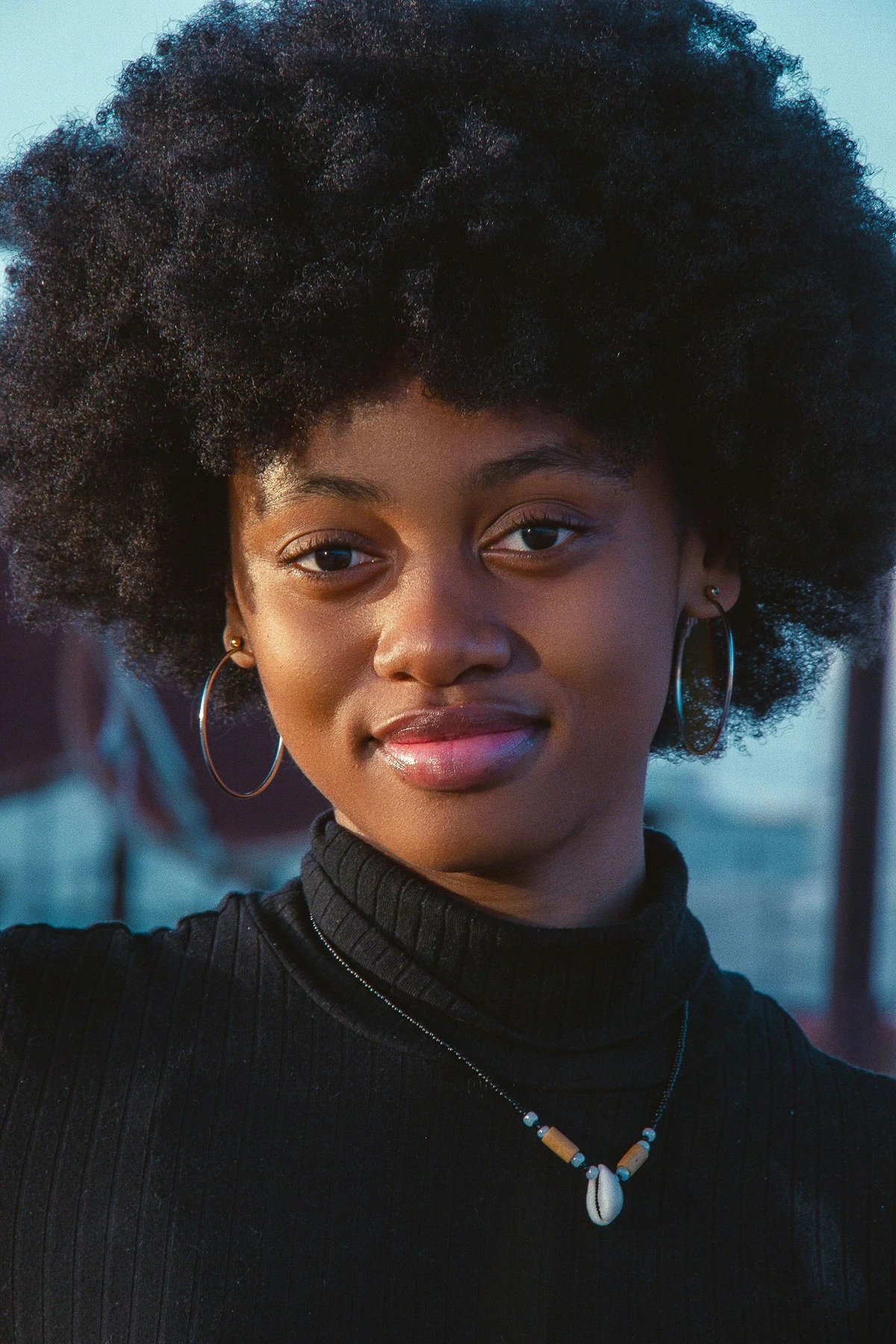
Natural light gives portraits a sense of honesty. It creates subtle shadows, soft highlights, and small changes in mood that are difficult to replicate with artificial lighting. The key is learning how to observe it.
Start With Direction
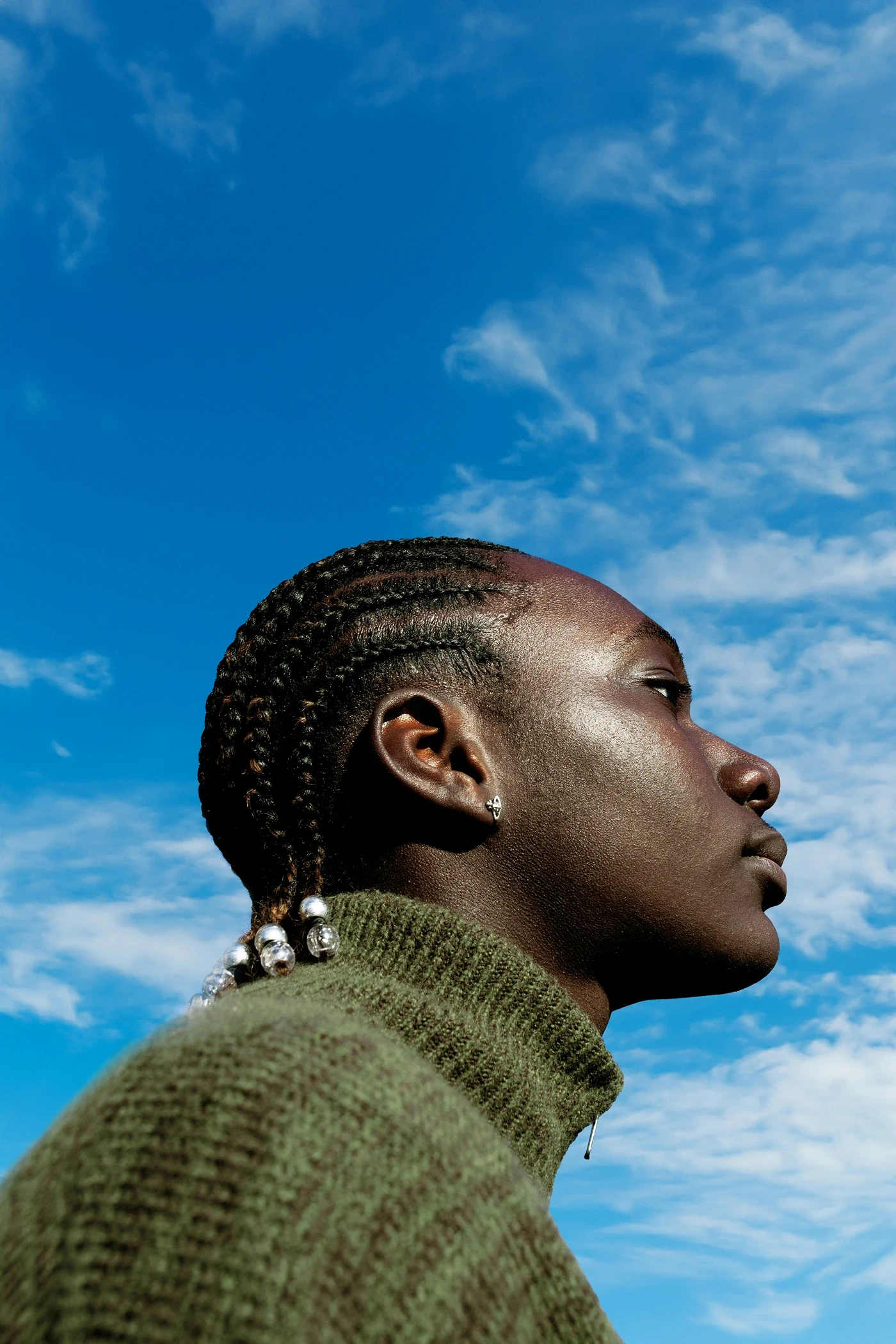
Before taking a photograph, I look at where the light is coming from and how it falls across the subject. Side light can create depth and definition, while front light produces a softer and more open result.
Window light is one of my favorite tools because it creates a controlled but natural environment. Moving the subject just a few steps can completely change the image.
Pay Attention to Time
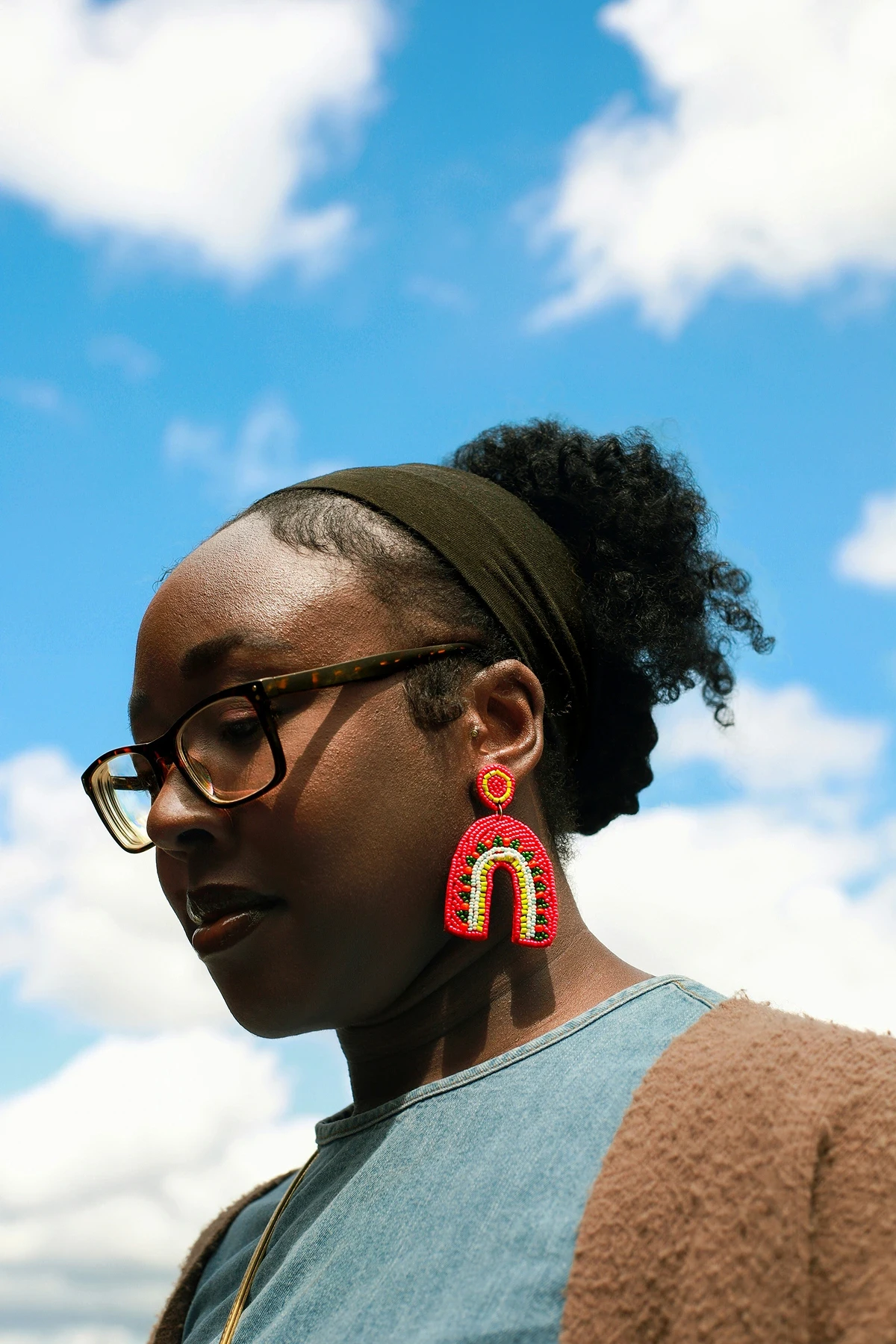
Morning and late afternoon light tend to produce softer, warmer results. Midday light can be much harder, but that doesn’t mean it should be avoided. Strong shadows can create interesting shapes and a more graphic visual language.
Keep the Subject Comfortable
Great portraits are rarely about technical perfection alone. The subject needs to feel comfortable enough to forget about the camera.
I prefer giving simple direction rather than forcing specific poses. Small movements, changes in expression, and natural pauses often create the strongest frames.
Final Thought
The goal isn’t to control every element of natural light. It’s to understand how it behaves and use it to support the story you want to tell.