Excerpt
A strong photography portfolio is more than a collection of your best images. It should communicate your visual identity, your perspective, and the kind of work you want to create next.
Your Portfolio Is a Visual Statement
Your portfolio is often the first introduction someone has to your work. Before they read your biography or contact you, they experience your images.
That means every image should have a reason to be there.
Quality Over Quantity
A portfolio doesn’t need hundreds of photographs. A smaller collection of strong, consistent work can communicate more than a large archive without a clear direction.
I usually prefer selecting images based on three questions:
Does this image represent my visual style?
Does it add something different to the portfolio?
Is it the kind of work I want more of?
Create Visual Consistency
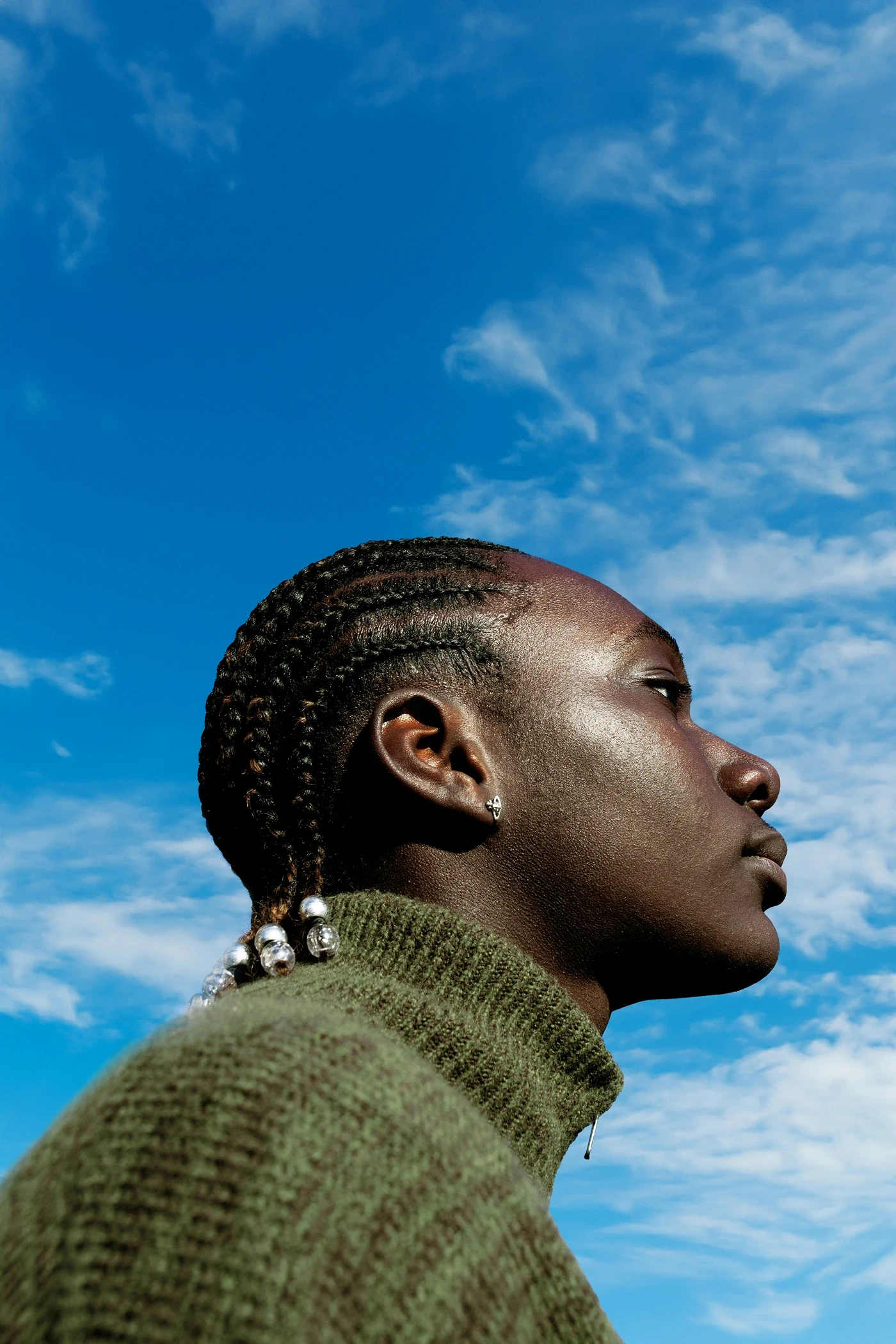
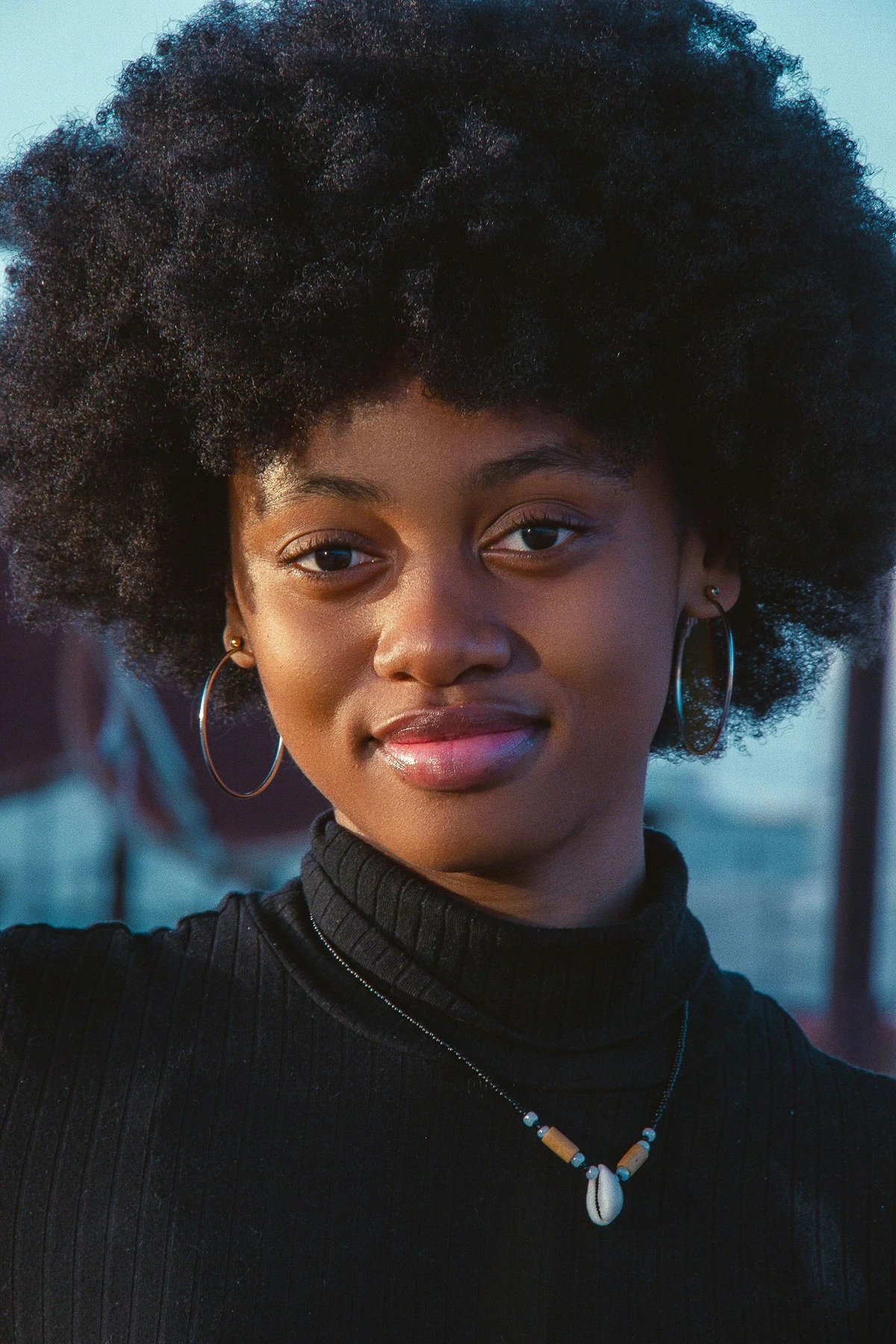
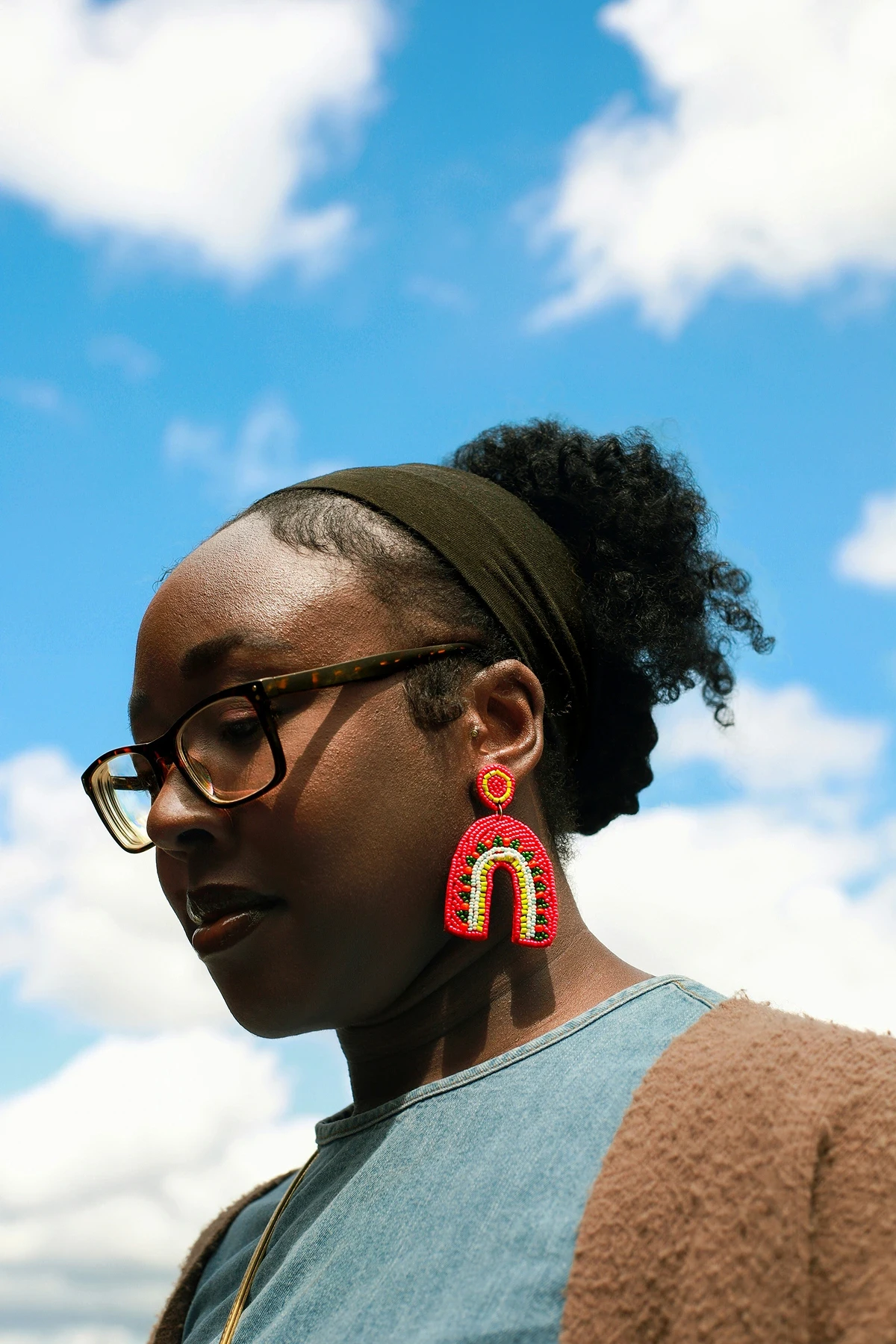
Consistency doesn’t mean every photograph needs to look identical. Instead, the work should share a common feeling through color, composition, lighting, subject matter, or atmosphere.
A portfolio can include portraits, fashion, lifestyle, and architecture while still feeling cohesive when the photographer's point of view remains consistent.
Show Your Range Carefully
Your portfolio should demonstrate what you can do without becoming a catalogue of everything you have ever photographed.
If you want more editorial projects, lead with editorial work. If you want commercial clients, include projects that show how your photography can communicate a brand.
Final Thought
The best portfolio doesn’t simply show what you have done. It gives people a clear idea of what you are capable of creating next.